Trying sushi for the first time intimidates people out of proportion to the actual risk. The flavors are mild, the entry-level rolls are cooked, and the format, small pieces, shared plates, is forgiving. In Albemarle, where Thai Spice runs a sushi bar alongside its Thai kitchen, a beginner can build a first order with training wheels on and a Thai dish waiting as a safety net, which is an ideal setup.
This guide gives you the beginner's order, the vocabulary, and the few etiquette points that make a first sushi meal comfortable instead of anxious.
The beginner's checklist
- Start with a California roll: cooked crab stick, avocado, and cucumber, the gateway roll for a reason
- Add a cooked roll like a shrimp tempura roll for crunch and familiarity
- If you feel ready, add one simple raw roll, tuna or salmon, and judge for yourself
- Order a bowl of miso soup or a Thai soup to open; it settles the table
- Share everything family-style so one adventurous piece never becomes your whole meal
- Try one piece of nigiri, fish over rice, to taste what sushi is really about
- Finish pieces in one bite where you can; that is how the balance is designed
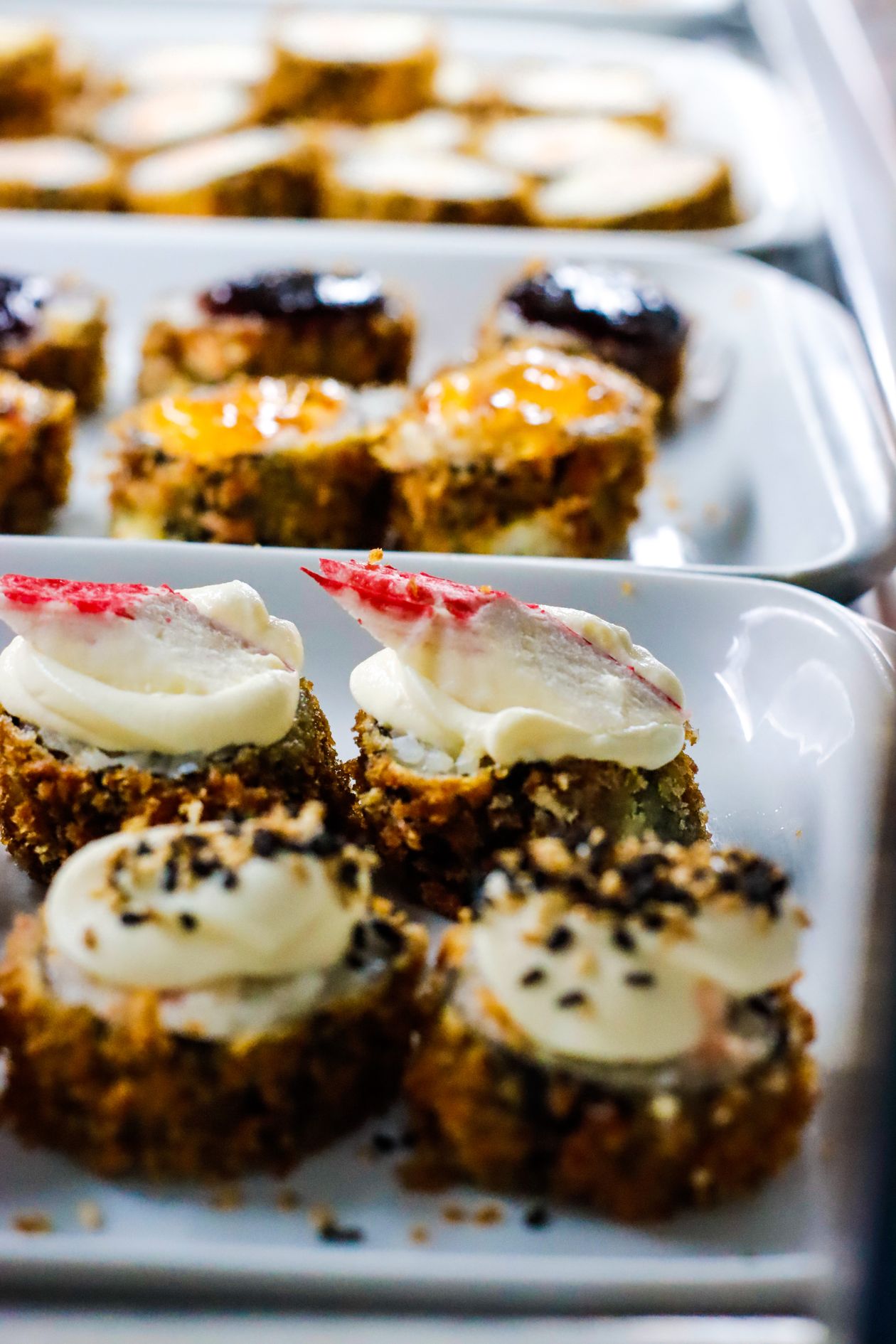
Notice what the checklist does not include: the most elaborate specialty roll on the menu. House specialty rolls, loaded with sauces and toppings, are fun, but they hide the fish and rice under so much seasoning that a beginner learns nothing from them. The simple rolls are the education. Specialty rolls are graduation.
Words that unlock the menu
Maki is the rolled form, rice and filling wrapped in seaweed, cut into pieces. Nigiri is a slice of fish draped over a small mound of seasoned rice, the purest common form. Sashimi is sliced fish with no rice at all, the advanced class. A hand roll is a cone of seaweed filled at the last second and eaten immediately, before the seaweed softens. Inside-out rolls, rice on the outside, are the American style most beginners already picture. None of this requires expertise, just the willingness to point at the menu and ask, which sushi staff answer cheerfully many times a day.
The rice is the real subject. Sushi rice is seasoned with vinegar, sugar, and salt, served near body temperature, and it is what trained sushi chefs spend years learning. Fresh fish on badly made rice is a wasted piece. When you find a place where the rice itself tastes good, slightly warm, distinct grains, gentle seasoning, you have found a kitchen that cares, and that judgment works in Albemarle as well as it does in Tokyo.
Etiquette, the short version
Chopsticks are standard but fingers are traditional for nigiri and rolls, so a beginner who struggles with sticks is not breaking rules by using their hands. Dip nigiri fish-side down, lightly, if you use soy sauce at all, and do not drown pieces; the seasoning is already balanced. Wasabi mixed into soy sauce is common in America and frowned on in formal Japanese settings; at a neighborhood sushi bar in Albemarle, nobody will police you, but a tiny amount placed on the fish itself is the more flavorful route. Ginger is a palate cleanser between different fish, not a topping.

Finally, order in rounds. Two rolls, then reassess. Sushi is made to order and arrives quickly, and a table that paces itself enjoys the last roll as much as the first, instead of facing a mountain of rice all at once.
A note on raw fish and freshness
Beginners sometimes worry about the safety of raw fish, and the practical picture is reassuring when a restaurant follows the standard rules. Sushi-grade fish is frozen under regulated conditions that kill parasites, stored cold, and cut to order, and a busy sushi bar turns its fish over quickly, which is the real freshness guarantee. The senses help too: fresh fish smells like the sea or like nothing, never fishy in the unpleasant sense, and its flesh looks moist and clean-cut rather than dry at the edges. Pregnant diners, young children, and anyone with a compromised immune system are generally advised to stick to cooked rolls, which is one more reason the cooked half of the menu exists and why a first order built on it is not a lesser order at all.
Common questions
What roll should a total beginner order first?
A California roll. It is fully cooked, mild, and widely liked, and it teaches the format without raw fish. A shrimp tempura roll is the usual second step.
Is it rude to eat sushi with my hands?
No. Nigiri and rolls are traditionally eaten with the fingers. Sashimi is the exception; that is eaten with chopsticks.
How much sushi is a meal?
Two to three standard rolls per person is a typical dinner, especially with soup or an appetizer. Order in rounds and stop when you are satisfied.
Photos in this guide are representative stock images.
← All guides from Thai Spice← Back to Thai Spice